







Creating a cozy and inviting home workspace can make a significant difference in your productivity and overall well-being. When your workspace feels comfortable and welcoming, you’re more likely to enjoy your work, stay motivated, and maintain focus. Whether you’re working from home full-time or just need a dedicated area for projects and bills, these tips will help you design a space that invites both creativity and calm.
Choose the Right Location
The foundation of a pleasant workspace starts with its location within your home.
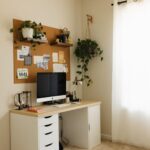
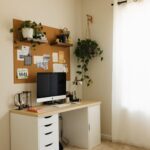
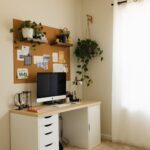
– Natural Light: Aim to set up near a window. Natural light boosts mood and reduces eye strain.
– Quiet Area: Select a spot away from heavy foot traffic or noisy appliances to minimize distractions.
– Space Considerations: Make sure there’s enough room for your desk, chair, and any equipment or storage you need.
Invest in Comfortable Furniture
Comfort is key when you spend hours working at a desk.
– Ergonomic Chair: A supportive chair that promotes good posture can prevent back pain and improve focus.
– Desk Size: Choose a desk with enough surface space to fit your computer, notebook, and other essentials without clutter.
– Adjustable Options: Consider an adjustable desk for the option to sit or stand during the day.
Personalize Your Workspace
Adding personal touches helps create a warm, inviting atmosphere.
– Colors: Use colors that calm you or energize you—soft blues and greens promote relaxation, while yellows and oranges can boost creativity.
– Artwork and Photos: Display inspiring prints or photos of loved ones to make the space uniquely yours.
– Plants: Adding greenery can improve air quality and provide a refreshing visual break.
Organize Efficiently
A clutter-free space promotes clearer thinking and reduces stress.
– Storage Solutions: Use shelves, drawers, or baskets to keep supplies and papers neatly tucked away.
– Desk Organizer: Keep essentials like pens, paperclips, and notepads within easy reach but organized.
– Cable Management: Use clips or ties to keep cords tidy and prevent tangling.
Enhance Lighting
Proper lighting reduces eye strain and sets the right mood.
– Task Lighting: Use a desk lamp with adjustable brightness for focused tasks.
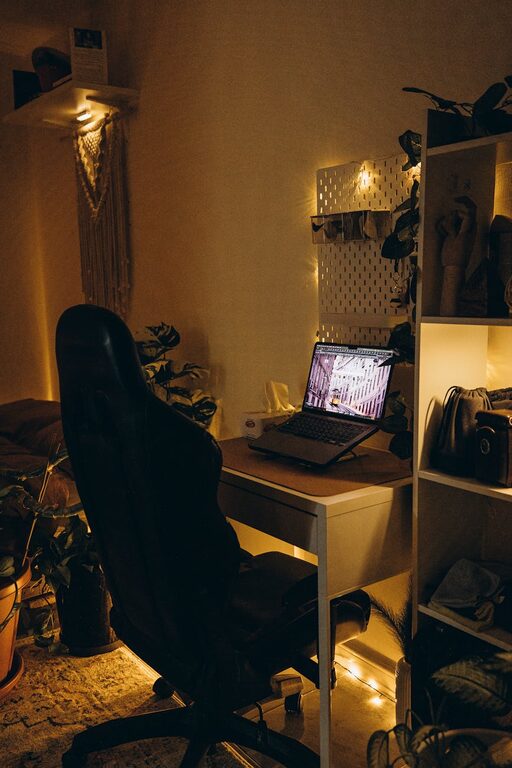
– Ambient Lighting: Add soft overhead lighting or a floor lamp for overall illumination.
– Avoid Glare: Position your screen and lights to reduce glare and reflections.
Incorporate Comfort Elements
Comfort extends beyond furniture to include sensory factors.
– Soft Textiles: Add a cozy throw blanket or cushioned seat pad for extra warmth.
– Aromatherapy: Use gentle scents like lavender or eucalyptus to create a calming environment.
– Noise Control: If external noise is an issue, consider noise-canceling headphones or soft background music.
Set Boundaries and Routine
Your workspace should encourage productivity by defining clear work times and limits.
– Dedicated Work Hours: Stick to a regular schedule to separate work and personal life.
– Clear Visual Boundaries: Use room dividers or rugs to visually set apart your workspace from living areas.
– Break Zone: Have a separate spot nearby for breaks to refresh without returning to the desk.
Keep It Flexible
Sometimes your needs change, so flexibility is helpful.
– Mobile Workstations: Use a rolling cart or laptop table to move around easily.
– Multi-Use Furniture: Choose desks or chairs that can adapt to different tasks.
– Seasonal Adjustments: Change your setup with the seasons, such as adding a fan or warmer lighting to stay comfortable.
—
Designing a home workspace that feels cozy and inviting doesn’t require a big budget or a large room. Focus on comfort, organization, and personalization to create a space that supports your best work and makes every day a little brighter. With these tips, you can build an environment where productivity and relaxation go hand in hand.