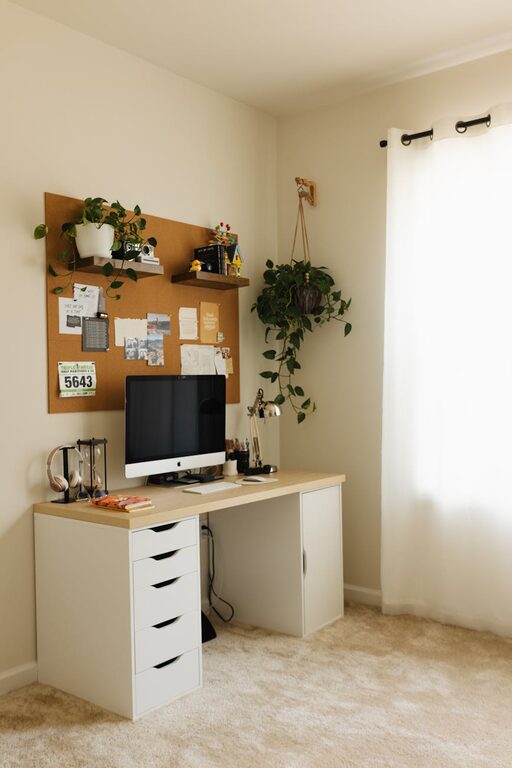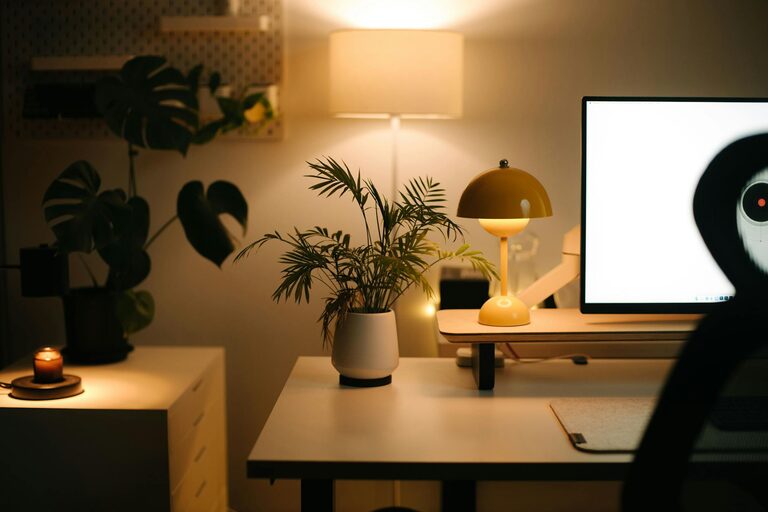





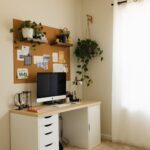


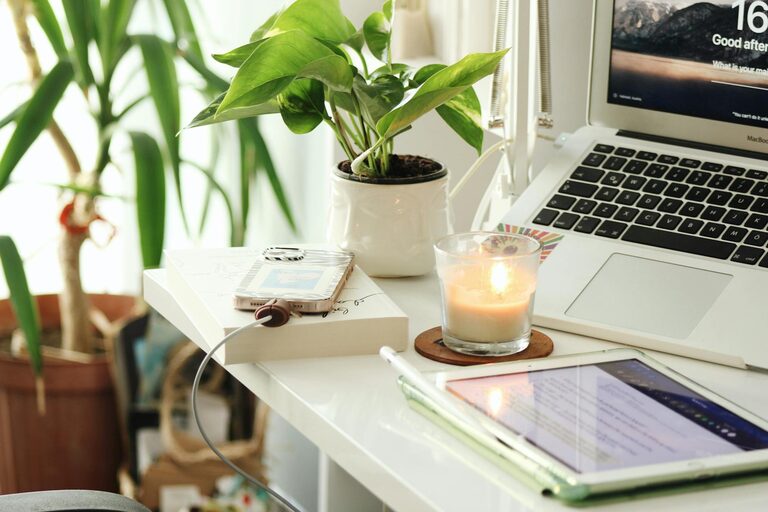
Creating a home office space that feels both cozy and productive can significantly improve your focus, motivation, and overall work experience. Whether you’re working remotely full-time or need a dedicated spot for occasional tasks, setting up the right environment is key. Here are practical tips and ideas to help you design a home office that promotes comfort and efficiency.
1. Choose the Right Location
Selecting the best spot for your home office is the first step. Ideally, this space should be:
– Quiet and away from distractions: Try to find a room or corner where noise and interruptions are minimal.
– Near natural light: Positioning your desk near a window can boost mood and energy.
– Separate from relaxation areas: Avoid working from your bed or couch to keep a clear boundary between work and personal time.
If space is limited, even a small nook with a functional desk and chair can work well.
2. Invest in Comfortable Furniture
Your furniture influences both comfort and productivity. Key pieces include:
– Ergonomic chair: A supportive chair helps maintain good posture and reduces discomfort during long work hours.
– Functional desk: Choose a desk that fits your equipment and allows enough space for writing and computer work.
– Adjustable options: Standing desks or adjustable chairs offer flexibility for different work positions.
Comfort helps you stay focused without physical strain.
3. Optimize Lighting
Proper lighting reduces eye strain and creates a welcoming atmosphere. Consider:
– Natural light: Make the most of daylight by positioning your desk near windows.
– Task lighting: Use desk lamps or adjustable lights to brighten your work area during darker hours.
– Soft, warm bulbs: Avoid harsh fluorescent lights; soft white bulbs create a cozy ambiance.
Keeping lighting adjustable helps adapt to different tasks and times of day.
4. Personalize Your Space
A personalized workspace can increase motivation and reduce stress. Try these ideas:
– Add plants: Small indoor plants improve air quality and add a touch of nature.
– Include meaningful decor: Photos, artwork, or inspiring quotes make the space feel inviting.
– Use color wisely: Calm colors like soft blues or greens promote relaxation, while small pops of bright colors can boost energy.
Balance between personalization and a clean, organized look is important.
5. Declutter and Organize
A tidy space enhances focus and reduces distractions. Here’s how to keep your office organized:
– Use storage solutions: Shelves, drawers, and containers help keep supplies within reach but out of sight.
– Keep cords under control: Cable organizers prevent messes and accidents.
– Sort paperwork regularly: Digital storage can reduce paper clutter, but keep essential documents neatly filed.
Regular maintenance of your workspace ensures it stays inviting and functional.
6. Incorporate Technology Thoughtfully
Technology supports productivity but can also cause clutter or distraction. To get the best balance:
– Invest in good equipment: Reliable computer, headphones, and charging stations improve efficiency.
– Minimize unnecessary devices: Keep only what you need on your desk.
– Use apps and tools: Calendar apps, note-taking software, and task managers keep you organized.
Setting technology boundaries helps maintain focus during work hours.
7. Create Zones for Different Activities
If your home office space is large enough, consider creating different areas for:
– Focused work: A quiet zone without distractions.
– Creative thinking: A cozy corner with inspirational items or whiteboards.
– Break time: A small spot for stretching, relaxing, or light reading.
Designing zones can improve workflow and prevent burnout.
8. Pay Attention to Acoustics
Sound quality affects concentration. To enhance acoustics:
– Soft materials: Curtains, rugs, and cushions absorb sound.
– White noise machines: These can drown out distracting background noise.
– Noise-cancelling headphones: Useful for blocking out interruptions when you need deep focus.
A quieter space helps maintain productivity.
9. Add Comfort Elements
Comfort doesn’t only mean furniture. Additional comforts can improve your workday:
– Temperature control: A fan, heater, or thermostat control lets you adjust to your preference.
– Cozy textiles: A blanket or cushion can make your chair more comfortable.
– Healthy snacks and water: Keeping hydration and nutrition close supports wellbeing.
Small touches make a big difference in how pleasant your workspace feels.
10. Establish a Routine
Finally, a productive space benefits from consistent use and routine:
– Set working hours: Keep regular start and end times to separate work and play.
– Take breaks: Stand, stretch, or walk around periodically to stay fresh.
– End your day tidily: Organize your desk before finishing work to prepare for the next day.
A routine helps your workspace feel purposeful and structured.
—
Designing a cozy and productive home office is about balance — between comfort and functionality, personalization and organization, work and rest. With these tips, you can create a workspace that supports your professional goals while making every workday more enjoyable. Happy decorating!